

Blog
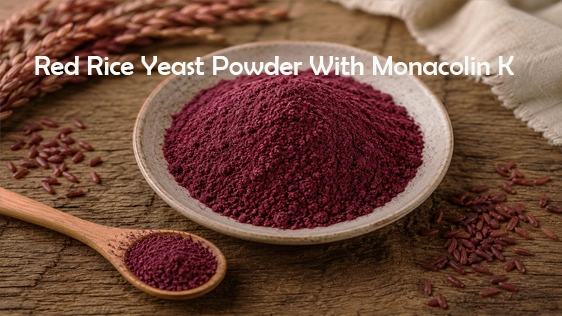





Red Rice Yeast Powder With Monacolin K
2026-06-24
The surging global consumer demand for cardiovascular health and lipid-lowering solutions has established red yeast rice with Monacolin k as a core functional ingredient in dietary supplements and functional foods.
Deeply rooted in the extract industry, Kintainutri® leverages standardized fermentation processes and rigorous quality control to supply high-quality red yeast rice powderwith Monacolin K levels ranging from 0.4% to 5%, ensuring consistent potency and quality. From a manufacturer's perspective, we provide a comprehensive analysis of this ingredient.
How to Find the Best Red Rice Yeast Powder With Monacolin K?
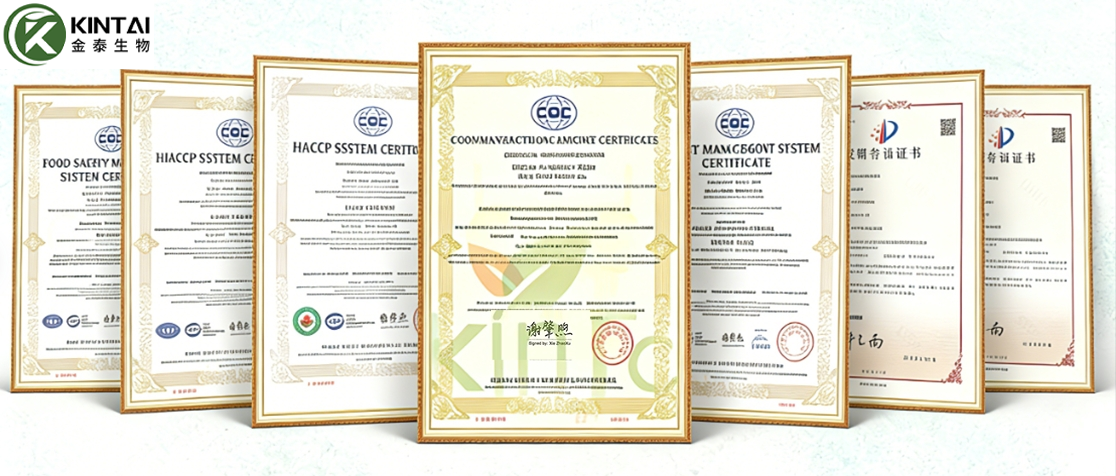
When selecting high-quality best red yeast rice with monacolin k, key factors include the fermentation strain, control of active ingredients, and regulatory compliance. Essential criteria include verified Monacolin K content, third-party certification confirming the absence of citrinin, and supplier GMP qualifications.
Suppliers must also provide complete Certificates of Analysis (COA) and test reports for heavy metals and microorganisms to meet target market regulations. Kintainutri® is dedicated to providing high-potency, high-purity, and compliant red yeast rice powder, helping brands build a competitive edge through differentiation. Please contact us for further product details or to request samples.
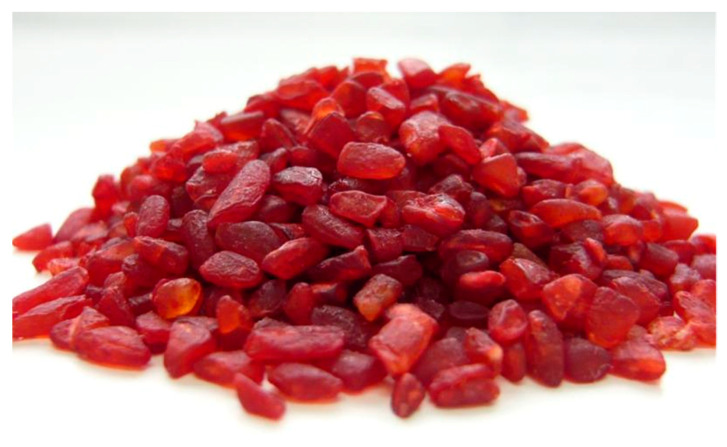
How To Ferment Red Yeast Rice With Monacolin K Activation?
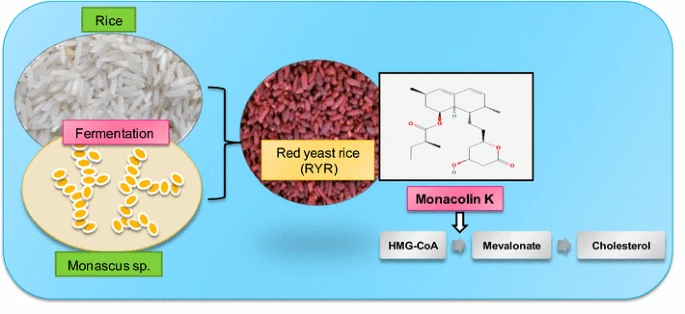
Kintainutri® red yeast rice powder is produced using an advanced deep-liquid fermentation process. We utilize selected patented Monascus PurPureus strains and precisely control fermentation within fully enclosed bioreactors. Our process not only efficiently "activates" and maximizes the yield of highly active, easily absorbed open-ring Monacolin K but also completely prevents the formation of the byproduct citrinin at the source.
Following high-temperature sterilization, centrifugal separation, and advanced spray-drying, the final product is a high-quality functional red yeast powder that is entirely free of citrinin and possesses excellent water solubility.
Red Rice Yeast Powder With Monacolin K Benefits
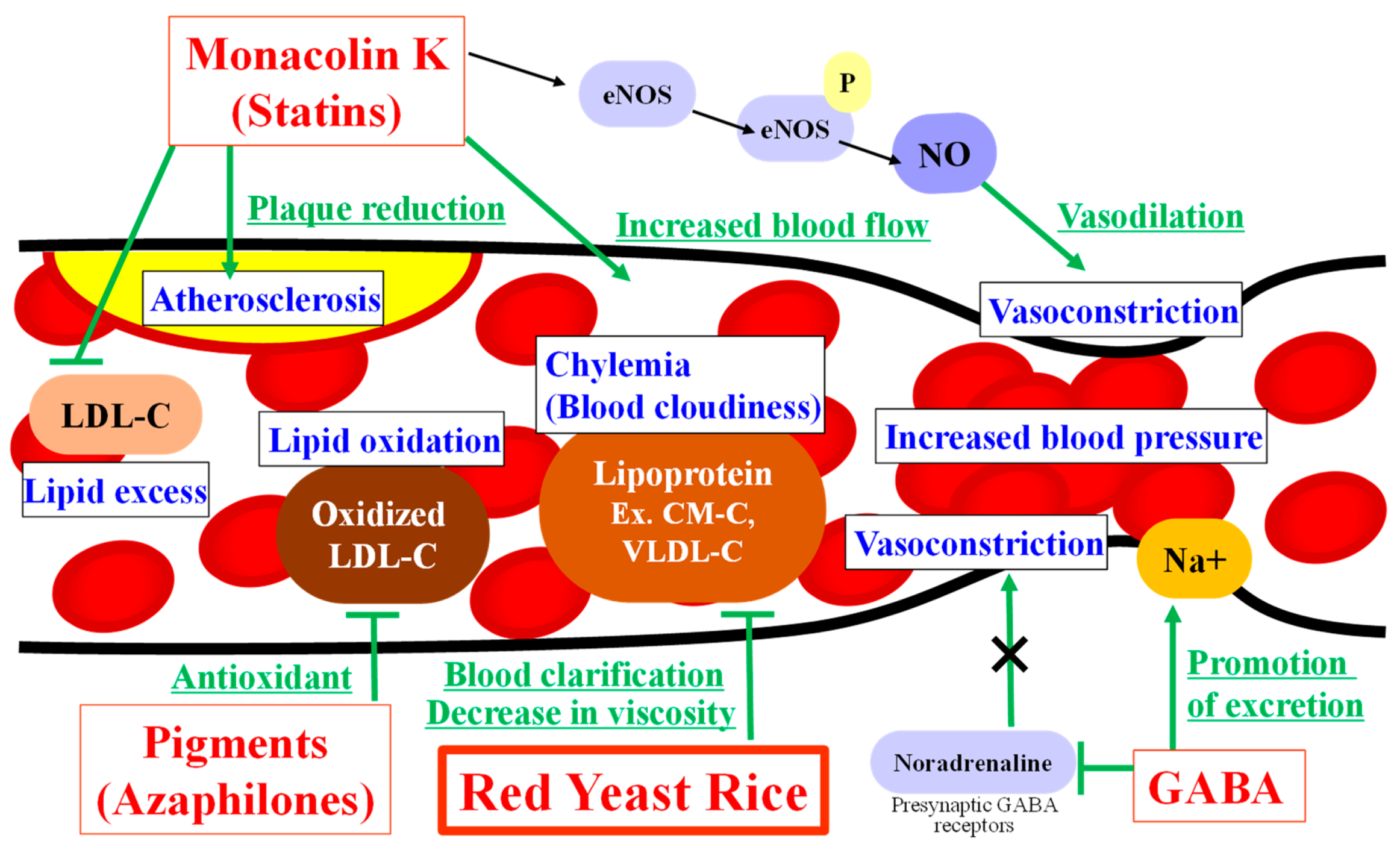
Red rice yeast powder exhibits various pharmacological activities, including lipid-lowering, anti-atherosclerotic, Anti-cancer, neuroprotective, hepatoprotective, anti-osteoporotic, anti-fatigue, anti-diabetic, anti-obesity, anti-inflammatory, and antihypertensive effects. Among these, its lipid-lowering and anti-atherosclerotic activities are the most prominent, primarily mediated by the Monacolin content.
1. Lipid-lowering effect
Red yeast rice powder significantly reduces levels of triglycerides (TG), total cholesterol (TC), and low-density lipoprotein cholesterol (LDL-C), while increasing high-density lipoprotein cholesterol (HDL-C). It exerts anti-obesity effects by enhancing acidic sterol excretion, inhibiting the expression of inflammatory factors TNF-α and IL-6, suppressing pre-adipocyte proliferation and differentiation, and reducing the formation of new adipocytes.
2. Anti-atherosclerotic effect
Red yeast rice powdercan reduce plaque area, stabilize plaques, protect vascular endothelium, and lower levels of hs-CRP, IL-6, and TNF-α. It alleviates endoplasmic reticulum stress by inhibiting MMP-2/9 expression and reducing NF-κB activation and reactive oxygen species (ROS) generation.
3. Hepatoprotective effect
Red yeast rice powder lowers serum transaminase, hepatic TG, and TC levels in models of alcoholic and non-alcoholic fatty liver disease. It protects the liver by inhibiting TNF-α expression, thereby alleviating steatosis and reducing levels of inflammatory cytokines.
4. Anti-osteoporotic effect
Red yeast rice powder increases bone mineral density, lowers levels of bone turnover markers, and promotes osteoblast viability as well as Bmp2/Bmp4 expression. In bone defect models, it promotes new bone formation and increases alkaline phosphatase activity.
5. Anti-fatigue effect
Red yeast rice powder significantly alleviates muscle fatigue, prolongs swimming time, delays the drop in blood glucose, prevents increases in lactic acid and blood urea nitrogen, and reduces exercise-induced oxidative stress. Red rice yeast with monacolin k and red pigments are the primary active components responsible for the anti-fatigue effect.
6. Anti-diabetic effects
Red yeast rice powder lowers plasma glucose levels in diabetic rats, reduces hepatic gluconeogenesis, promotes insulin secretion, protects pancreatic islets from hyperglycemia-induced damage, and improves glucose tolerance and insulin secretion.
7. Anti-inflammatory effects
Azaphilone derivatives in red yeast rice powder inhibit the release of nitric oxide (NO) in macrophages. The powder also reduces the expression of inflammatory transcription factors TNF-α and IL-6, thereby alleviating kidney damage.
8. Blood pressure-lowering effects
Red yeast rice powder reduces blood pressure, heart rate, and sympathetic vasomotor tone in spontaneously hypertensive rats, while increasing plasma NO production. When used in combination with conventional therapies, it lowers systolic blood pressure without significant side effects.
9. Immunomodulatory effects
Polysaccharides in red rice yeast with monacolin k enhance the phagocytic activity of peritoneal macrophages, promote peripheral blood E-rosette formation, increase the lymphocyte transformation rate, and boost non-specific immunity.
Red Rice Yeast Powder With Monacolin K vs. Lovastatin
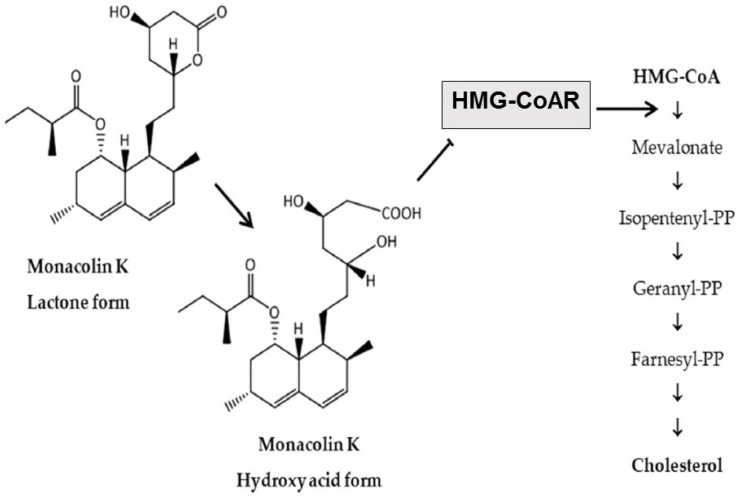
The monacolin K found in red yeast rice shares the same chemical structure as the prescription drug lovastatin.However, there are key differences between the two. Lovastatin is a prodrug that requires in vivo hydrolysis into its acid form to become active, whereas the monacolin K in red yeast rice naturally exists in the active acid form, allowing it to bind directly to HMG-CoA reductase and inhibit cholesterol synthesis.
Furthermore, other constituents in red yeast rice inhibit CYP450 enzyme and P-glycoprotein activity, thereby enhancing the absorption and bioavailability of monacolin K. Consequently, the bioavailability of red yeast rice with highest monacolin k is higher than that of lovastatin; it achieves comparable lipid-lowering effects at lower dosages (3–10 mg/day) and carries a relatively lower risk of adverse reactions.
| Comparison | Monacolin K (in RYR) | Lovastatin (Prescription Drug) |
|---|---|---|
| Chemical Structure | Lactone form identical to lovastatin | Lactone form (prodrug, inactive) |
| Active Form | Naturally contains hydroxy acid form (active) | Requires hydrolysis to acid form for activity |
| Source | Natural fermented product from Monascus purpureus | Microbial extraction / semi-synthetic drug |
| Dose Range | 3–10 mg/day (typical in clinical studies) | 10–80 mg/day (standard prescription) |
| Bioavailability | Higher (other RYR components enhance absorption and inhibit CYP450/P-gp) | Lower (significant first-pass metabolism) |
| Side Effect Profile | Relatively lower; similar to low-dose statins | Dose-dependent increase in myopathy and liver injury risk |
Where To Buy Red Rice Yeast Powder With Monacolin K?
Kintainutri® provides safe, effective, and compliant red rice yeast powder (with Monacolin K levels ranging from 0.4% to 5%) to consumers worldwide. Navigating complex international regulatory landscapes, we assist clients in ensuring quality control from the source and mitigating regulatory risks. We help brands and formulators efficiently select high-activity, highly compliant supply chain solutions, offering reliable support to the global health market. Please contact us.